




 Freight Forwarding

 Customs Clearance

 Sea Freight

 Air Freight

 Project Cargo

 Consultancy

 Transport

 Order Management

 Supply Chain Optimisation
FCL & LCL Sea Freight Through the Port of Brisbane

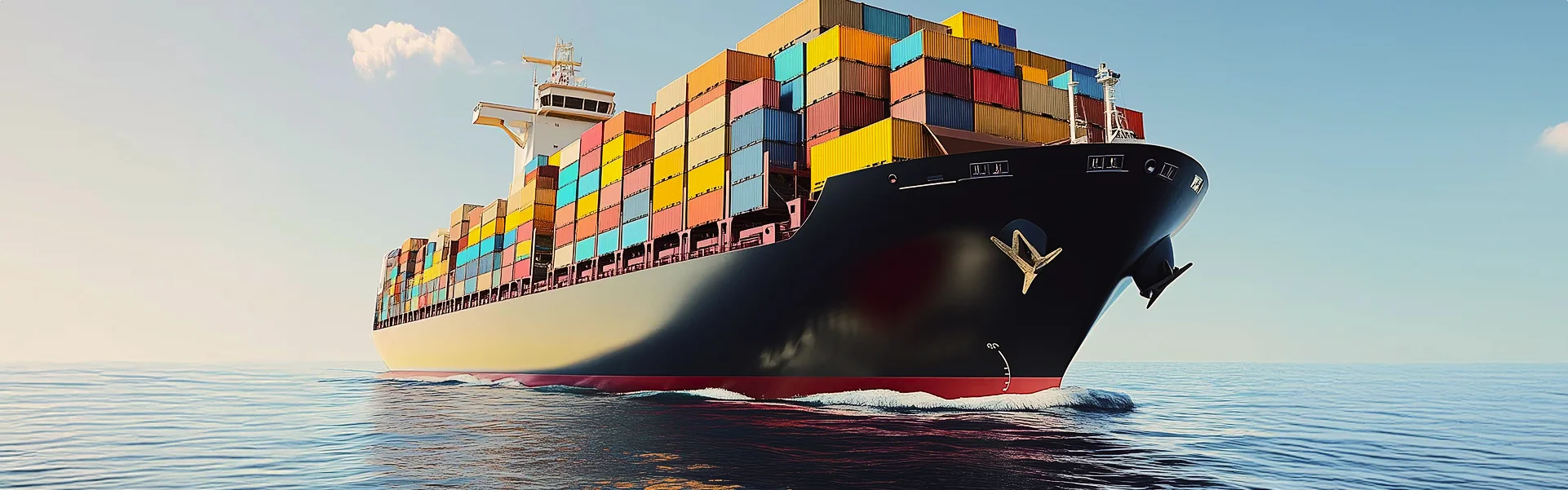
Sea freight remains the most cost-effective way to move large volumes of goods internationally, and the Port of Brisbane is Queensland’s primary gateway for container trade. Deacon Customs & Logistics provides end-to-end sea freight services for Brisbane importers and exporters — from booking and documentation through to customs clearance and final delivery.
Whether your shipment fills a full container or a fraction of one, we have the right solution to move your cargo efficiently and compliantly.
FCL and LCL — What's the Difference?
Full Container Load (FCL) means your cargo occupies an entire shipping container — either a 20ft or 40ft standard container, or a specialised option depending on your commodity. FCL is the preferred choice for larger shipments, as it typically offers faster transit times and lower per-unit costs at volume.
Less than Container Load (LCL) consolidates your cargo with other shippers’ goods into a shared container. LCL is ideal for smaller shipments where a full container would be uneconomical. DCL manages the consolidation process and ensures your goods are properly documented, packed, and cleared through customs on arrival.
DCL handles both FCL and LCL shipments through the Port of Brisbane, with access to major international shipping lines and consolidation services across key trade lanes including Asia, Europe, the Americas, and the Pacific Islands.
Our Sea Freight Services
We provide comprehensive sea freight logistics for a wide range of industries including Food & Beverage, Retail, Construction, Mining, Healthcare, Manufacturing, and Nursery Stock & Supplies.
Our sea freight services include:
- FCL imports and exports — full container bookings on major shipping lines through Port of Brisbane
- LCL consolidation — cost-effective shared container solutions for smaller cargo volumes
- Dangerous goods — experienced handling of DG cargo with the appropriate documentation and compliance
- Oversized and project cargo — specialist solutions for non-standard freight
- Integrated customs clearance — seamless handover to our in-house licensed customs brokers on arrival, eliminating delays at the border
- DAFF and quarantine management — direct liaison with the Department of Agriculture, Fisheries and Forestry for biosecurity-sensitive cargo including seasonal protocols such as Brown Marmorated Stink Bug (BMSB)
- Door-to-port and port-to-door — flexible delivery options to suit your supply chain
Why Sea Freight Through Port of Brisbane?
The Port of Brisbane is Australia’s third-largest container port and Queensland’s main trade hub. With direct shipping line services to ports across Asia, the Americas, Europe and the Pacific, it provides importers and exporters in Queensland and northern New South Wales with efficient, cost-effective access to global markets.
As a Brisbane-based freight forwarder and customs broker, DCL operates within this environment every day. We know the port’s terminal operators, cut-off schedules, and quarantine processes — which means faster resolution when issues arise and fewer costly delays for your cargo.
Reliable and Cost-Effective Sea Freight Brisbane Businesses Trust
DCL’s approach to sea freight is built on transparency, compliance, and personal service. You won’t deal with a rotating roster of account managers or offshore support desks. Our Brisbane-based team manages your shipment from origin to delivery, communicating proactively at every milestone and resolving issues before they become problems.
With decades of experience across FCL and LCL imports and exports, DCL has the knowledge to handle complex shipments across virtually any commodity — giving Queensland businesses the confidence to trade internationally without logistics headaches.
Sea Freight FAQs
How long does sea freight take to reach Brisbane?
Transit times depend on the origin port, the shipping line and whether your cargo sails direct or is transhipped. As a guide, shipments from China typically take 18–30 days to reach the Port of Brisbane, and from South-East Asian ports 12–30 days. Cargo from Europe and the Americas takes longer. LCL shipments can add a few days for consolidation and deconsolidation. Port congestion can also push transit times well beyond these ranges. Recent backlogs in Singapore, for example, have delayed cargo transhipped through the hub by weeks. We’ll confirm a current estimated schedule for your route when we quote, and keep you updated if anything changes in transit.
Should I ship FCL or LCL?
It comes down to volume, budget and timing. LCL is charged on the space your cargo takes up in a shared container (by cubic metre or weight, whichever is greater), so it suits smaller consignments. Once your shipment gets close to filling a 20ft container, FCL usually works out cheaper per unit, moves faster through the port and is handled less, which reduces the risk of damage. Send us your volume and weight and we’ll compare both options for you.
What documents do I need to import goods by sea?
Most sea freight imports need a commercial invoice, packing list and bill of lading. You’ll also need a certificate of origin to claim a reduced duty rate under a free trade agreement, and some goods require treatment certificates, import permits or other biosecurity paperwork. Goods valued over AUD $1,000 need a formal Import Declaration lodged with the Australian Border Force, which our licensed customs brokers prepare and lodge for you.
How does BMSB season affect my shipment?
Brown Marmorated Stink Bug (BMSB) seasonal measures apply to certain goods manufactured in or shipped from target risk countries and shipped between 1 September and 30 April. Affected cargo may need treatment offshore before loading, or it can be directed for treatment or inspection on arrival in Brisbane. The shipped-on-board date on the bill of lading decides whether the measures apply. We check your goods against the current season’s requirements before they ship, so there are no surprises at the port.
What happens if my container is selected for examination?
The Australian Border Force and the Department of Agriculture, Fisheries and Forestry select a proportion of containers for inspection. If yours is selected, it’s unpacked and inspected, which adds time and cost. Accurate, consistent documentation lodged before arrival is the best way to reduce the risk of holds. If an examination does occur, we manage the process and keep you updated until your goods are released.
Do you handle sea freight exports as well as imports?
Yes. DCL manages FCL and LCL exports through the Port of Brisbane as well as imports, including carrier bookings, export documentation and getting your cargo to the wharf ahead of cut-off.
Get a Sea Freight Quote
Shipping by sea? Tell us your origin, destination, cargo type and volume and we'll come back to you with a tailored sea freight solution.
Satisfied Clients
“Great service”
I have worked with Cameron for over 20 years. Very knowledgeable and always offers great service. Would highly recommend.
Hoa Cheng
Director - Fishman Foods“deep industry knowledge”
For nearly a decade, Cameron has managed my importing requirements with professionalism and integrity. His deep industry knowledge and consistent communication have made him an invaluable asset to my operations. I confidently recommend his services to others seeking dependable import support.
Jamie Currie
Director - Growing Solutions Australia“personalised service”
Cameron has looked after our aircraft imports, whether ferried or shipped, for over 15 years. He is well-experienced and always offers great personalised service. I would highly recommend his services.


