


Air Freight vs Sea Freight: Which Is Right for Your Brisbane Business?

If you’re importing or exporting goods through Brisbane, one of the first decisions you’ll face is how to get your cargo moving — by air or by sea. Both options have their place, and the right choice depends on your budget, timeline, and the type of goods you’re shipping. As a licensed customs broker and registered freight forwarder based in Brisbane, we help local businesses make this call every week. Here’s how to think it through.
Speed: How Fast Do You Need It There?
Air freight is the clear winner on speed. Shipments from major trade hubs in Asia, for example, can land in Brisbane within 1–3 days, compared to 2–4 weeks for sea freight from the same origin. If you’re managing tight production deadlines, restocking fast-moving inventory, or shipping perishable or time-sensitive goods, air freight is usually worth the premium.
Sea freight, by contrast, is built for planning ahead. If your supply chain has lead time built in, ocean freight gives you a much lower cost per kilogram without the time pressure.
Cost: Where Your Budget Goes Further
This is where sea freight pulls ahead. For heavier or bulkier shipments, ocean freight is significantly cheaper per unit of weight or volume — often a fraction of the cost of air freight for the same cargo. Air freight charges are typically based on chargeable weight (whichever is greater: actual weight or volumetric weight), which can make low-density, bulky items surprisingly expensive to fly.
As a general rule: if your shipment is small, light, and time-critical, air freight’s cost premium is easily justified. If it’s large, heavy, and you can plan ahead, sea freight will save you real money.
Cargo Type: What You’re Actually Shipping
- Better suited to air freight: high-value goods, perishables, pharmaceuticals, urgent spare parts, seasonal or trend-driven stock
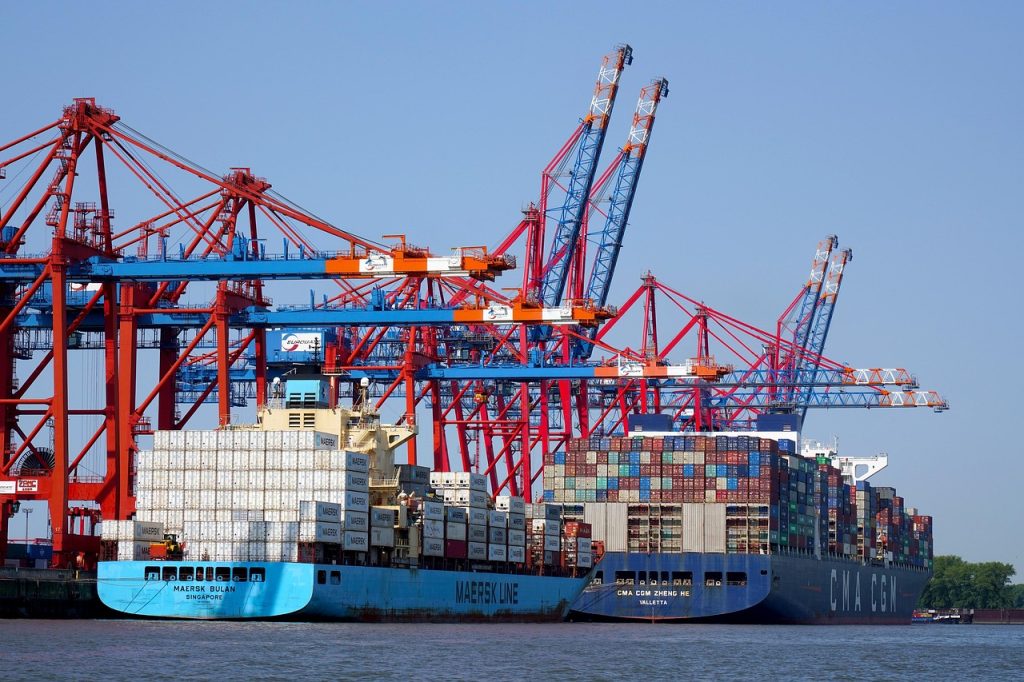
- Better suited to sea freight: bulk goods, machinery, furniture, non-perishable stock, full container loads (FCL) or less-than-container loads (LCL)
Some businesses split shipments — using air freight for urgent top-up stock and sea freight for the bulk of their inventory — to balance cost and speed across the year.
Customs Clearance: The Part Most Businesses Overlook
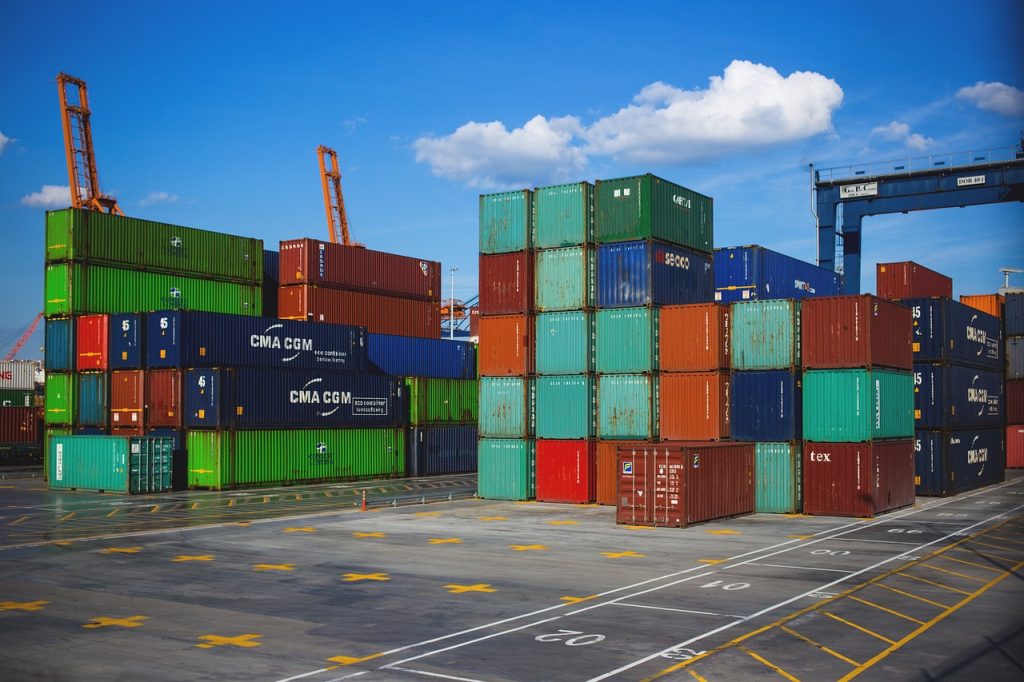
Whichever method you choose, your goods still need to clear Australian Customs before they can move — and this is where delays and unexpected costs most often creep in. Incorrect tariff classification, missing documentation, or unpaid duties and GST can hold up a shipment regardless of how it arrived in the country.
Working with a licensed customs broker means your paperwork, classifications, and duty calculations are handled correctly the first time — whether your cargo came by air or sea. This is particularly important for businesses new to importing, or those bringing in goods subject to biosecurity checks, quarantine, or permits.
So, Which Should You Choose?
There’s no universal answer — it comes down to weighing up your timeline, budget, and cargo type for each shipment. Many of our Brisbane clients use a mix of both, depending on what’s being shipped and when it’s needed.
If you’re not sure which option makes sense for your next shipment, our team can walk you through the numbers and handle the customs clearance process end-to-end — whether it’s arriving by plane or by ship.


