


Importing from China & South-East Asia to Brisbane: Sea Freight, Customs Clearance & What to Expect
Australia imports billions of dollars worth of goods from China and South-East Asia every year — and Brisbane businesses are right in the middle of it. Whether you’re sourcing manufactured goods from Shenzhen, textiles from Vietnam, electronics from Thailand, or raw materials from Indonesia, the process of getting those goods to your door involves more moving parts than most importers expect the first time around.
This guide covers what you actually need to know: how sea freight works on these trade lanes, what customs clearance involves, where things go wrong, and how a licensed customs broker and freight forwarder can make the whole process significantly less painful.
Why Sea Freight is the Default for China & SEA Imports
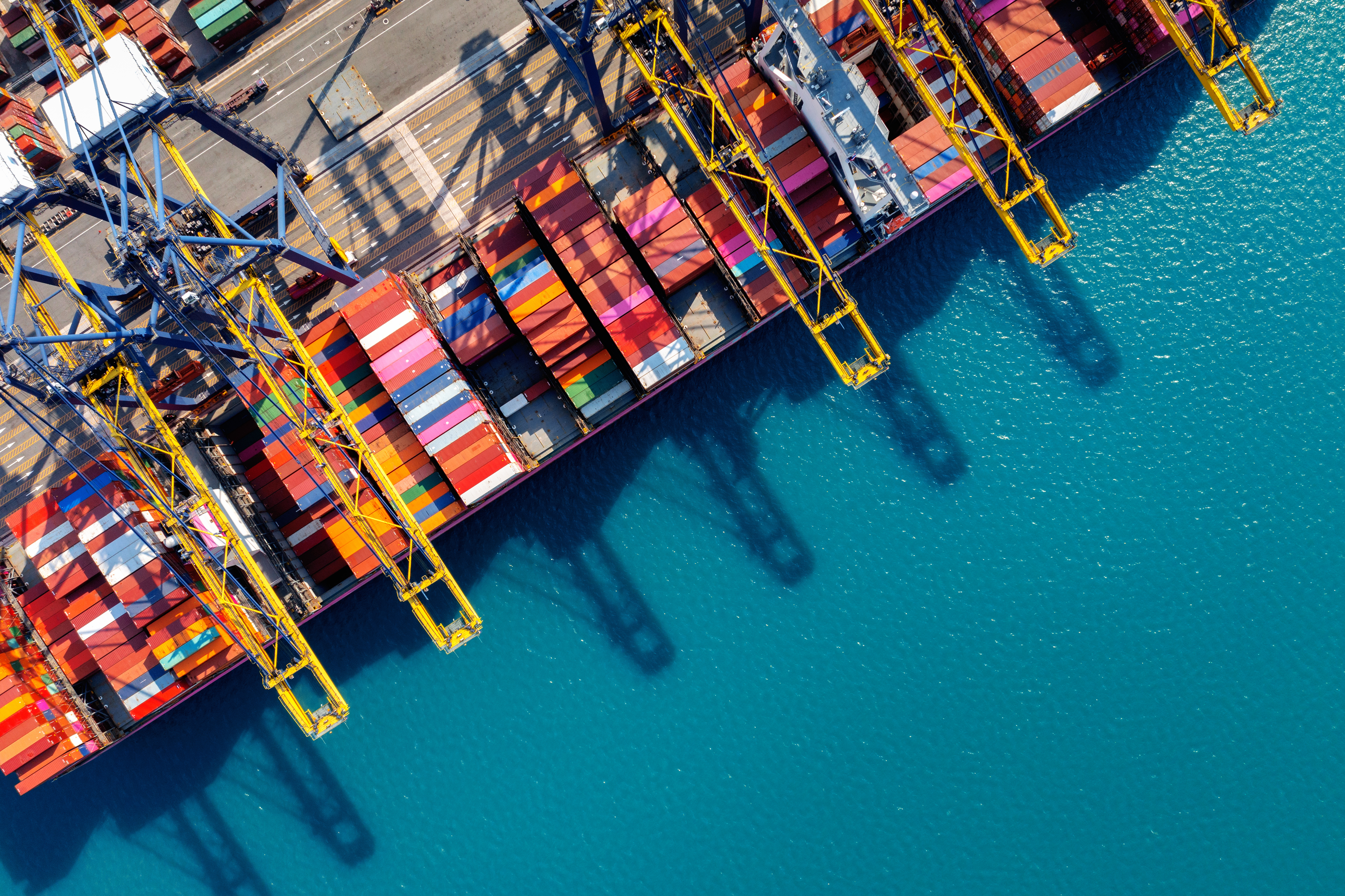
For most goods coming from China or South-East Asia, sea freight is the default choice — and for good reason. The trade lanes between Brisbane and major Asian ports including Shanghai, Ningbo, Guangzhou, Singapore, Ho Chi Minh City, and Bangkok are among the most established and frequently serviced shipping routes in the world.
The key advantage is cost. Sea freight moves large volumes of goods at a fraction of the cost of air freight. For anything that isn’t time-critical — furniture, homewares, clothing, machinery, raw materials, consumer goods — sea freight is almost always the right call.
Transit times from China to Brisbane typically run 18–30 days depending on the port of origin, carrier, and whether your shipment is direct or transshipped via Singapore or Port Klang. From South-East Asian ports, you’re generally looking at 12–22 days.
FCL vs LCL — Which One Do You Need?
The first decision you’ll make with sea freight is whether to book a Full Container Load (FCL) or a Less than Container Load (LCL) shipment.
FCL means you’re filling an entire container — either a 20ft or 40ft. It’s faster, more secure, and cost-effective once your volumes are large enough to justify it. Most importers move to FCL once they’re shipping regularly and have enough volume to fill a container.
LCL means your goods are consolidated with other importers’ cargo into a shared container. It’s ideal for smaller shipments where paying for a full container doesn’t make sense. The trade-off is slightly longer transit times due to consolidation and deconsolidation at the port.
Not sure which applies to your shipment? A freight forwarder will assess your cargo volume, weight, and frequency to make the right recommendation.
What Happens When Your Goods Arrive in Brisbane
This is where many importers are caught off guard. Getting goods onto a ship is only half the journey. When your shipment arrives at the Port of Brisbane, it doesn’t automatically make its way to your warehouse — it enters the Australian border clearance process first.
Here’s what happens:
1. Import Declaration
A formal Import Declaration must be lodged with the Australian Border Force (ABF) for most commercial shipments. This declaration covers what the goods are, where they came from, their value, and how they’ll be classified under the Australian Customs Tariff. Getting the classification right matters — it determines what duty rate applies.
2. Customs Duty & Taxes
Most goods imported into Australia attract customs duty, GST, and in some cases additional charges. Duty rates vary significantly by product type and country of origin. Some goods from ASEAN countries benefit from reduced duty rates under the ASEAN-Australia-New Zealand Free Trade Agreement (AANZFTA) — but only if the correct documentation is in place at the time of import.
A licensed customs broker will ensure your goods are classified correctly, the right duty rate is applied, and any applicable free trade agreement benefits are claimed. Incorrect classification is one of the most common — and costly — mistakes importers make.
3. Biosecurity & Compliance
The Australian Department of Agriculture, Fisheries and Forestry (DAFF) has strict biosecurity requirements for goods entering Australia. Certain product categories — particularly those involving timber, food, agricultural materials, or goods with organic packaging — require treatment, inspection, or additional permits. Non-compliance means delays, potential destruction of goods, and significant costs.
4. Container Examination
The ABF selects a percentage of containers for physical examination. If your container is selected, it will be unstuffed and inspected — a process that adds cost and time. An experienced customs broker manages this process on your behalf and ensures your documentation is in order to minimise the risk of holds.
Common Mistakes Brisbane Importers Make
Leaving customs clearance too late. Customs clearance needs to be arranged before your goods arrive. Waiting until the ship docks means your container sits on the wharf accumulating storage and demurrage charges while paperwork is sorted.
Incorrect or incomplete documentation. Commercial invoices, packing lists, bills of lading, and certificates of origin need to be accurate and consistent. Discrepancies between documents are a red flag for customs and can trigger examinations or delays.
Not understanding landed costs. Many importers focus on the ex-factory price from their supplier and underestimate the full cost of getting goods to their door. Freight, insurance, customs duty, GST, port charges, cartage, and broker fees all add up. Getting a landed cost estimate upfront avoids nasty surprises.
Using a freight forwarder without customs brokerage. Some freight forwarders arrange the shipping but don’t hold a customs broker licence. This means you’re managing two separate providers for what should be a seamless process. Working with a licensed customs broker who also handles freight — like DCL — means one point of contact from origin to delivery.
When Air Freight Makes Sense
Sea freight won’t always be the right answer. If you’re importing high-value, low-volume, or time-sensitive goods — samples, urgent replenishments, perishables, or components needed to keep a production line running — air freight from Brisbane is worth the premium.
The same customs clearance process applies to air freight shipments, and the same principle holds: having a licensed customs broker handle your clearance ensures it’s done correctly and quickly, which matters even more when you’ve paid for speed.
What to Look for in a Customs Broker & Freight Forwarder
Not all brokers and forwarders are equal. When you’re importing from China or South-East Asia regularly, the quality of your logistics partner has a direct impact on your costs, timelines, and compliance exposure.
Look for:
- A licensed customs broker — check they hold a valid licence issued by the ABF
- Experience with your trade lanes — China and SEA imports have specific nuances; experience matters
- End-to-end capability — freight forwarding and customs brokerage under one roof means fewer handoffs and clearer accountability
- Proactive communication — you should know where your goods are and what’s happening at every stage
Talk to DCL About Your Next Shipment
Deacon Customs & Logistics is a Brisbane-based licensed customs broker and freight forwarder specialising in sea freight, air freight, and customs clearance for importers and exporters across Australia.
If you’re importing from China or South-East Asia and want to make sure your next shipment arrives on time, on budget, and fully compliant — get in touch with the DCL team today.


