


Air Freight from Brisbane: How It Works, What It Costs & When to Use It
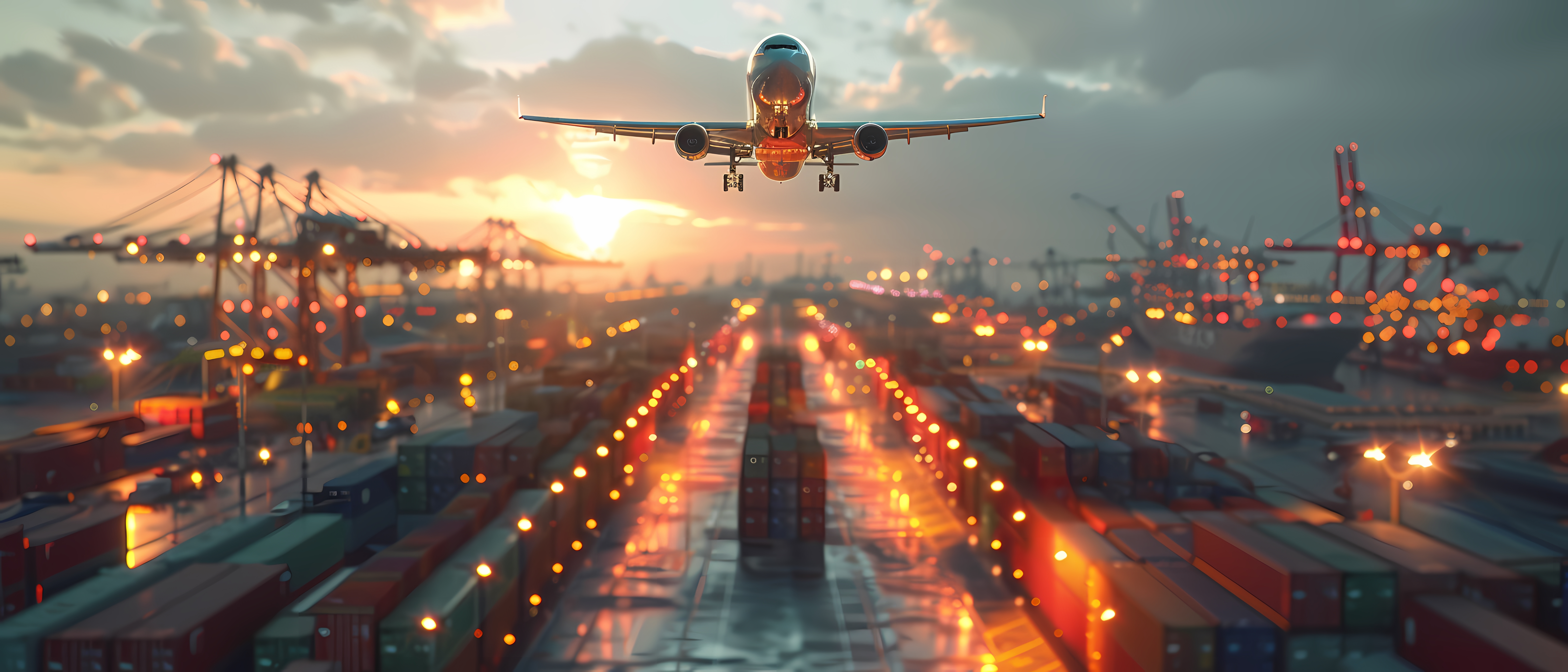
When time is the critical factor in your supply chain, air freight is often the only option worth considering. Whether you’re importing time-sensitive components, exporting perishable goods, or dealing with a supply chain disruption that simply can’t wait, air freight from Brisbane gives you speed, security, and reliability that sea freight can’t match.
But air freight isn’t a one-size-fits-all solution — and without the right guidance, it’s easy to overpay, face unexpected delays, or fall short of Australian border compliance requirements. This guide breaks down exactly how air freight works, what drives the cost, and how to decide whether it’s the right mode for your next shipment.
What Is Air Freight?
Air freight is the transportation of goods via commercial or charter aircraft. Cargo is flown between international airports and cleared through customs on arrival — in Brisbane’s case, that means Brisbane Airport (BNE), one of Australia’s busiest international freight hubs.
Shipments can move as:
- General cargo — standard commercial goods with no special handling requirements
- Consolidated freight (groupage) — your goods share space with other shippers’ cargo, reducing cost
- Charter freight — the entire aircraft is dedicated to your shipment, used for urgent or oversized loads
Most air freight from Brisbane moves through major Asian hubs (Singapore, Hong Kong, Dubai) before reaching final destinations in Europe, the Americas, or the Middle East — and vice versa for imports.
How the Air Freight Process Works

Understanding the end-to-end process helps you plan timelines more accurately and avoid costly surprises.
1. Booking & documentation Your freight forwarder coordinates booking with the airline or consolidator and prepares the Air Waybill (AWB) — the key document that travels with your cargo and serves as the contract of carriage. Additional documentation includes commercial invoices, packing lists, and any permits required for regulated goods.
2. Export customs clearance Before your goods leave Australia, they must be declared to the Australian Border Force (ABF). Export declarations are lodged through the Integrated Cargo System (ICS), confirming the nature, value, and destination of your goods.
3. Airline handling & departure Cargo is consolidated, screened, and loaded at the origin airport. Air freight from Brisbane typically departs via BNE on scheduled commercial services or through freight-specific airlines depending on volume and destination.
4. Transit & transhipment Most international air freight routes involve at least one transit hub. Your freight forwarder will factor transit times into the overall delivery estimate, noting that delays at hub airports are the most common cause of extended transit times.
5. Import customs clearance at destination On arrival, goods must clear customs in the destination country. If you’re importing into Australia, your customs broker lodges an Import Declaration with the ABF, calculates applicable duties and taxes, and manages any biosecurity or compliance requirements.
6. Delivery to door Once cleared, goods are released to a local carrier for final delivery. A good freight forwarder manages this entire chain — from origin pickup to your warehouse door.
What Affects Air Freight Costs from Brisbane?
Air freight is priced differently from sea freight. The key factors that determine what you’ll pay include:
Chargeable weight Airlines charge based on either actual weight or volumetric weight — whichever is greater. Volumetric weight is calculated using the dimensions of the cargo. Lightweight but bulky shipments often cost significantly more than their actual weight suggests.
Commodity type Dangerous goods, perishables, and high-value items require special handling and documentation, which adds to the cost. Some commodities — such as lithium batteries or certain chemicals — require specific aircraft types.
Lane and airline availability Rates fluctuate based on supply and demand on specific trade lanes. Peak seasons (pre-Christmas, Chinese New Year, and major retail sale periods) typically see rate surges of 20–50% above standard tariffs.
Transit time requirements Expedited or direct routing costs more than consolidated options with longer transit windows. If your deadline allows a few extra days, consolidation can reduce costs considerably.
Origin and destination charges Beyond the freight rate itself, expect to budget for origin handling, destination handling, fuel surcharges, security fees, and customs clearance costs at both ends.
When Should You Choose Air Freight Over Sea Freight?

Air freight commands a premium — typically 4–6 times the cost of equivalent sea freight on a per-kilogram basis. So when does it make commercial sense?
Choose air freight when:
- Your goods are time-critical (e.g. perishables, pharmaceuticals, just-in-time manufacturing components)
- The value of the goods is high relative to the freight cost
- You need to recover from a supply chain disruption quickly
- Sea freight transit times (typically 20–40+ days) would cause a stock-out or missed deadline
- Your goods are low volume and high value — making the cost-per-unit viable
Sea freight is likely the better option when:
- You’re moving large volumes of non-urgent goods
- Your supply chain can absorb longer lead times
- Cost efficiency is the priority over speed
Many businesses use a hybrid approach — sea freight for regular replenishment stock and air freight for urgent top-ups or new product launches.
Why Use a Licensed Customs Broker for Air Freight?
Air freight moves fast — which means customs compliance needs to move just as quickly. A delayed or incorrect import declaration can hold your goods in a bonded warehouse, generating storage charges that erode any cost savings you made on freight.
A licensed customs broker ensures your shipment is:
- Correctly classified under Australia’s tariff schedule
- Assessed accurately for import duties, GST, and any applicable tariff concessions
- Compliant with ABF biosecurity and border requirements
- Released as quickly as possible — often within hours of arrival for compliant, pre-lodged entries
At Deacon Customs & Logistics, we handle the full air freight process — from coordinating your cargo pickup to managing customs clearance and final delivery in Brisbane. As a licensed customs brokerage and freight forwarder, we remove the complexity so your goods move without interruption.
Get a Quote for Air Freight from Brisbane
Whether you’re new to air freight or looking for a more reliable partner for your existing shipments, our team is here to help.
Request an air freight quote →Deacon Customs & Logistics is a Brisbane-based licensed customs broker and freight forwarder specialising in air freight, sea freight, and customs clearance for Australian importers and exporters


