



Sea Freight from Brisbane: How It Works, Costs & When to Use It

If your business ships internationally, sea freight is very likely already part of your supply chain — even if you’ve never thought about how it actually works. It’s the backbone of global trade, moving the vast majority of the world’s goods, and for many Brisbane importers and exporters it remains the most cost-effective way to move cargo.
But sea freight isn’t a single, simple service. Transit times, container options, and costs all vary depending on your cargo, your destination, and how your shipment is handled at the border. This guide breaks down how sea freight works, what drives the cost, and how to know when it’s the right choice for your next shipment.
What Is Sea Freight?
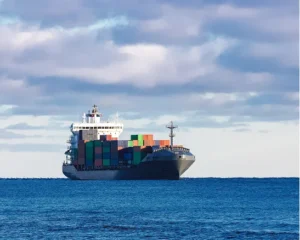
Sea freight is the transportation of goods by cargo ship, typically in standardised shipping containers. Cargo moves between ports — in Brisbane’s case, that means the Port of Brisbane, one of Australia’s largest container ports and a key gateway for trade with Asia, the Pacific, Europe, and beyond.
Unlike air freight, which prioritises speed, sea freight is built around cost-efficiency and volume. It’s the preferred option for businesses moving larger shipments, bulkier goods, or cargo that isn’t time-critical.
FCL vs LCL: Choosing the Right Container Option
Most sea freight shipments fall into one of two categories:
Full Container Load (FCL) — You book an entire shipping container for your cargo alone. This is generally the better option once your shipment is large enough to fill (or nearly fill) a container, as it offers more control over handling, tighter security, and often a better cost-per-unit than smaller shipments.
Less than Container Load (LCL) — Your cargo shares a container with other businesses’ shipments, and you pay only for the space you use. This suits smaller shipments where a full container isn’t justified, though it typically means slightly longer transit times due to consolidation and deconsolidation at each end.
Choosing between the two comes down to shipment volume, budget, and how time-sensitive the cargo is.
What Drives Sea Freight Costs?
Sea freight pricing is influenced by several factors:
- Container type and size — standard 20ft and 40ft containers, refrigerated containers, and specialised equipment all carry different rates
- Origin and destination ports — trade lane demand and distance affect base freight rates
- Fuel and currency surcharges — these fluctuate with global shipping market conditions
- Port and terminal fees — handling charges at both the origin and Brisbane
- Peak season demand — rates can rise during high-volume shipping periods
- Customs duties and GST — calculated on the value of goods, separate from freight cost itself
Because pricing structures vary by carrier and route, getting an accurate landed cost — not just a freight quote — is the only reliable way to budget for a shipment.
Sea Freight vs Air Freight: When to Use Which
The two modes serve different purposes, and the right choice depends on what you’re moving and when you need it.
Choose sea freight when:
- Your shipment is large or heavy, where air freight costs would be disproportionate
- Your timeline allows for longer transit (typically weeks rather than days)
- You’re moving non-perishable goods, bulk stock, or equipment
Choose air freight when:
- Speed is critical — urgent stock, samples, or time-sensitive components
- Your shipment is smaller and lighter, where air freight’s cost-per-kg becomes more competitive
- A supply chain disruption means you can’t afford to wait on sea transit
Many businesses use a mix of both — sea freight for regular bulk stock, air freight for urgent top-ups — as part of a broader supply chain strategy.
Customs Clearance and Compliance at the Port of Brisbane
However your cargo travels, it still needs to clear Australian customs before it can move on. Sea freight shipments are subject to the same compliance requirements as any import:
- Correct tariff classification and duty assessment
- Compliance with Australian Border Force (ABF) requirements
- Biosecurity and quarantine checks through the Department of Agriculture, Fisheries and Forestry (DAFF), particularly relevant for shipments in containers that may carry pest or contamination risk
- Accurate documentation — bills of lading, commercial invoices, packing lists, and certificates of origin
Sea freight shipments can face longer dwell times than air freight if documentation isn’t in order before arrival, so getting compliance right before the vessel docks matters just as much as choosing the right container option.
Why Work With a Licensed Customs Broker for Sea Freight
Sea freight involves more moving parts than most businesses expect — carrier bookings, container logistics, port fees, and customs compliance all need to align for a shipment to move smoothly. A licensed customs broker and freight forwarder manages this on your behalf, from booking the right container option through to final delivery.
At Deacon Customs & Logistics, we handle the full sea freight process for Brisbane importers and exporters — coordinating with carriers, managing documentation, and ensuring your shipment clears customs efficiently. With over 30 years of experience moving cargo through the Port of Brisbane, we help take the guesswork out of sea freight so you can focus on your business.
Ready to move your next shipment by sea? Get in touch with our team to discuss the right sea freight solution for your cargo.


